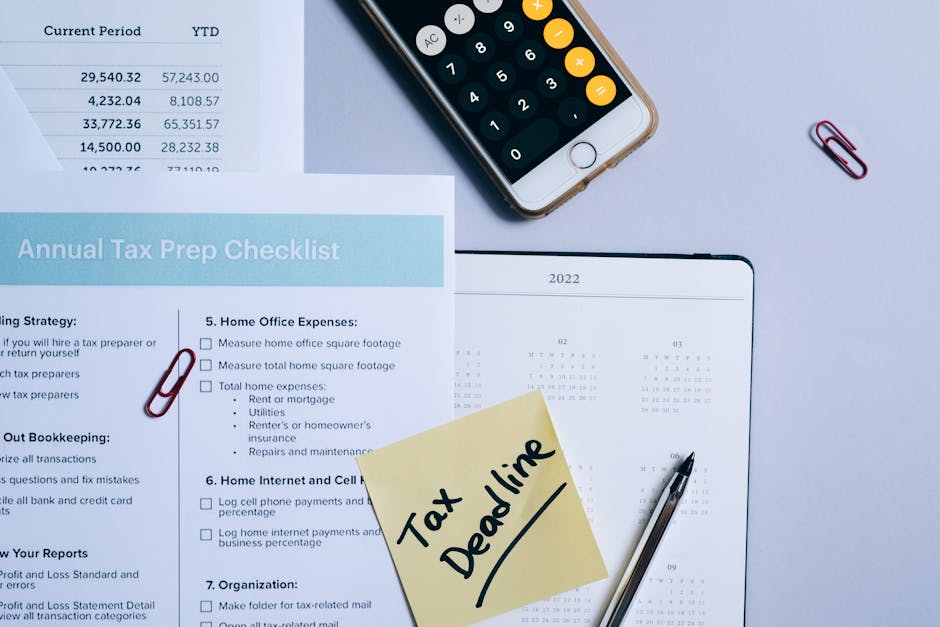

What Counts as a Side Hustle in 2026
Whether it’s freelancing, driving for apps, flipping items online, posting paid content, or renting out your spare room, the IRS doesn’t care how side gigs feel they count as self employment. If you’re earning money outside of a traditional job, you’re running a business in their eyes. That means taxes are in play.
And here’s where things have changed. If you’re paid through platforms like PayPal, Venmo, Etsy, or Airbnb, and you received $600 or more in a year, those platforms are required to send you and the IRS a Form 1099 K. This rule tightened recently, and it’s catching a lot of casual side hustlers off guard. There’s no more flying under the radar just because it’s a “small gig.”
Bottom line: if money’s hitting your account, assume it’s taxable. Don’t wait until tax season to find out the hard way. Understand what’s reportable, keep records, and treat your side hustle like the business it legally is.
Side Hustle = Self Employment in the Eyes of the IRS
It doesn’t matter if you’re freelancing full time or just flipping collectibles on weekends once you’re earning extra money outside of a W 2 job, the IRS sees you as self employed. That means you’re technically running a business, even if you’ve never filed paperwork or thought of yourself that way.
With that label comes responsibility. You’ll owe the usual income tax, plus the 15.3% self employment tax. That extra chunk covers what an employer normally pays toward Social Security and Medicare. No boss, no automatic deductions just you and the IRS.
And don’t wait until April to handle it. If you expect to owe more than $1,000 for the year, the IRS wants estimated tax payments throughout the year (usually quarterly). Skip those, and you could end up paying penalties on top of the tax bill. Bottom line: treat your side hustle like a real business, because the IRS already does.
What Side Hustlers Can (and Should) Write Off
Running a side hustle means taking on the responsibilities and opportunities of being your own business. A major advantage? You can deduct ordinary and necessary business expenses to help reduce your taxable income. But there’s a catch: the IRS expects precision, not assumptions.
Key Tax Deductions for Side Hustlers
Here are some common deductions to look at if you’re earning self employment income in 2026:
Home Office Deduction
The space must be used exclusively and regularly for your business no exceptions
It must be your principal place of business or where significant business activity takes place
Two types of deductions: simplified (based on square footage) and actual expenses (based on percentage of home used for business)
Supplies, Equipment, Tools, and Subscriptions
Items like pens, notebooks, packaging supplies, or tech gear (like cameras, microphones, or monitors) can all be deductible
Software and online services (e.g., project management tools, design platforms, editing apps) are also eligible, when used for business purposes
For large purchases like computers, consider Section 179 for potential full deduction in the year of purchase
Business Travel and Mileage
Miles driven for deliveries, client meetings, or business errands can be deducted using the standard mileage rate
Travel expenses like flights, lodging, meals (50% deductible), and conference fees are valid if the trip is business related
Keep detailed logs of where you went and why
Phone and Internet
You can’t deduct the full phone or internet bill unless it’s used 100% for business
Most self employed individuals estimate a reasonable business use percentage and deduct that portion
Documentation Is Non Negotiable
Pro tip: Don’t guess when it comes to deductions. The IRS doesn’t accept estimates your deductions must be supported by clear records.
Save all receipts and payment confirmations
Maintain mileage logs and records of business use
Use accounting software or apps to categorize and track expenses
Stay consistent and organized throughout the year. It’s easier to defend your deductions when everything is clearly documented from the start.
Quarterly Estimate Basics
If you earn income from a side hustle, you’re expected to pay taxes throughout the year not just at filing time. That’s where quarterly estimated tax payments come in.
Key Deadlines
Keep these IRS due dates in mind:
April 15 First quarter payment
June 15 Second quarter payment
September 15 Third quarter payment
January 15 (following year) Fourth quarter payment
Missing a deadline can result in interest and penalties, even if you’re owed a refund later.
How to Calculate Your Payments
There are a couple of ways to estimate how much you owe:
Actual Earnings Method: Calculate based on income earned each quarter. More accurate but more complex.
Safe Harbor Method: Pay 100% of last year’s tax liability (or 110% if you made over $150,000). Easier but may result in overpaying if your income drops.
Choose the method that best fits your workflow and income predictability.
Best Practices for Staying on Track
Set Aside 20 30% of every side hustle payment you receive. This helps cover your income tax and self employment tax liabilities.
Open a Separate Tax Savings Account: Funnel your tax set aside funds here so you’re not tempted to spend them.
Use Accounting Apps: Tools like QuickBooks Self Employed or Wave can automatically calculate estimated payments.
Quarterly payments may seem tedious, but staying consistent helps avoid year end surprises and penalties.
Keeping Records Without Going Crazy
Running a side hustle means you’re running a business, whether or not it feels like one yet. And like any business, you need clean records. Step one? Open a separate bank account. It’s a small move that saves huge headaches later. Mixing personal and business spending will make tax time a mess. Separate accounts make it easier to track income, organize deductions, and stay on the IRS’s good side.
Next, pick your tool apps like QuickBooks, Wave, even a well kept spreadsheet. Doesn’t matter which one, as long as you actually use it. Consistency is key. Update regularly instead of playing catch up in April. You want clarity, not chaos.
What to track? Everything. Save invoices, payment summaries, digital receipts, mileage logs anything tied to your hustle. It might feel like overkill now, but come audit time (or just tax filing time), you’ll be glad you did. The goal isn’t perfection; it’s proof.
Get Ahead, Not Audited
The IRS isn’t watching every side hustle but they’re watching enough. If you’re claiming hefty deductions without documentation, letting personal and business expenses blur together, or underreporting income because it was paid in cash or through apps, you’re lighting a small fire and walking away. These are classic audit triggers that could come back to bite you hard.
Even if your side hustle is something you do on nights and weekends, having a tax pro in your corner can save you stress (and possibly money) down the line. You don’t need a $3,000 CPA suite just someone who knows how to keep your records clean and your filings tight.
The key is thinking ahead. Keep clean books. Save your receipts. Use a separate account. Smart, simple moves now will make April less painful and your whole hustle far more sustainable.
Smart Planning Starts Now
As the year wraps up, it’s time to sharpen your game. First, look over your estimated payments. Have you been setting aside enough from your income each quarter? If you’ve underpaid, January’s deadline is your final shot to catch up and avoid penalties.
Next, get clear on which expenses you can write off. If you’re not logging your deductions from gear to mileage to that chunk of your internet bill you’re probably leaving money on the table. Make sure you’re only counting the business use portion, and keep solid documentation in case the IRS ever comes knocking.
Finally, don’t wait until tax season panic hits. Get ahead by planning next year’s strategy now. A little prep now saves hours (and dollars) later. Want a punch list? Check out this breakdown: Year End Tax Planning Checklist Every Taxpayer Should Follow.
 Frankie Drakershopp has opinions about expert tax insights. Informed ones, backed by real experience — but opinions nonetheless, and they doesn't try to disguise them as neutral observation. They thinks a lot of what gets written about Expert Tax Insights, Tax Law Updates and Changes, Personal Finance Advice is either too cautious to be useful or too confident to be credible, and they's work tends to sit deliberately in the space between those two failure modes.
Reading Frankie's pieces, you get the sense of someone who has thought about this stuff seriously and arrived at actual conclusions — not just collected a range of perspectives and declined to pick one. That can be uncomfortable when they lands on something you disagree with. It's also why the writing is worth engaging with. Frankie isn't interested in telling people what they want to hear. They is interested in telling them what they actually thinks, with enough reasoning behind it that you can push back if you want to. That kind of intellectual honesty is rarer than it should be.
What Frankie is best at is the moment when a familiar topic reveals something unexpected — when the conventional wisdom turns out to be slightly off, or when a small shift in framing changes everything. They finds those moments consistently, which is why they's work tends to generate real discussion rather than just passive agreement.
Frankie Drakershopp has opinions about expert tax insights. Informed ones, backed by real experience — but opinions nonetheless, and they doesn't try to disguise them as neutral observation. They thinks a lot of what gets written about Expert Tax Insights, Tax Law Updates and Changes, Personal Finance Advice is either too cautious to be useful or too confident to be credible, and they's work tends to sit deliberately in the space between those two failure modes.
Reading Frankie's pieces, you get the sense of someone who has thought about this stuff seriously and arrived at actual conclusions — not just collected a range of perspectives and declined to pick one. That can be uncomfortable when they lands on something you disagree with. It's also why the writing is worth engaging with. Frankie isn't interested in telling people what they want to hear. They is interested in telling them what they actually thinks, with enough reasoning behind it that you can push back if you want to. That kind of intellectual honesty is rarer than it should be.
What Frankie is best at is the moment when a familiar topic reveals something unexpected — when the conventional wisdom turns out to be slightly off, or when a small shift in framing changes everything. They finds those moments consistently, which is why they's work tends to generate real discussion rather than just passive agreement.