
Key 2026 IRS Updates Small Businesses Need to Know
The IRS isn’t letting up, and small business owners need to stay alert. For 2026, the tax terrain has shifted again, especially around reporting and deductions. First: the 1099 K threshold. It’s back to $600 yes, again. After years of back and forth, expect third party platforms like PayPal, Venmo, and Etsy to issue 1099 K forms if you receive $600 or more in business payments. Casual sellers and side hustlers, take note.
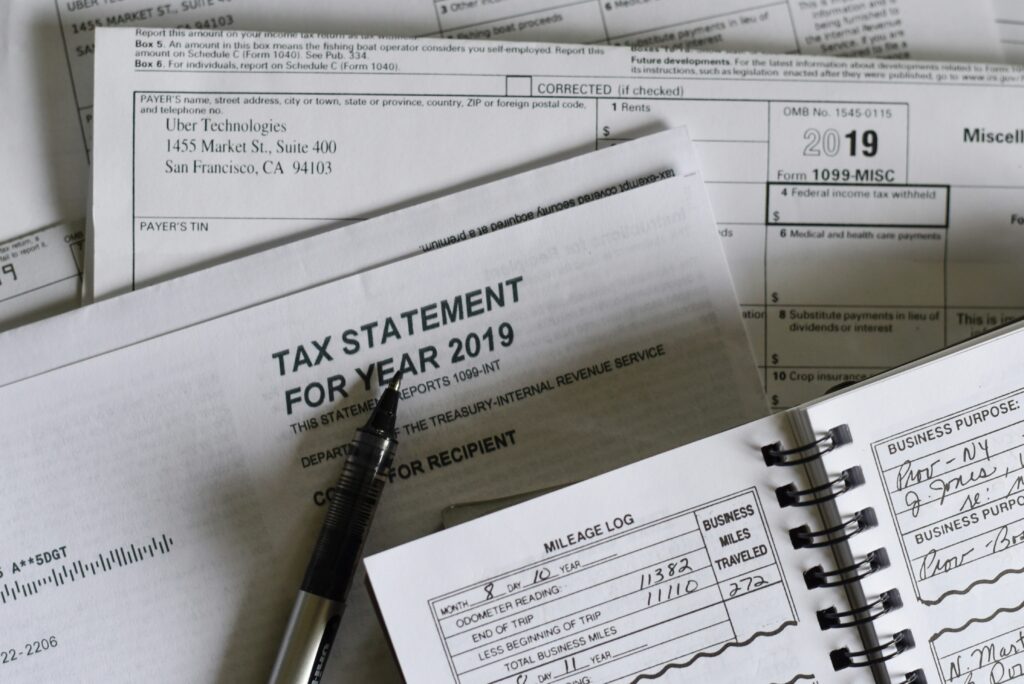
Next, deductions got some overdue clarification. If you work from home, the IRS is being more specific about what counts. Square footage matters, and so does consistency of use. You can still use the simplified method, but it won’t always be the biggest break. Vehicle deductions have tightened too expect more scrutiny, particularly if your logs and mileage numbers look… optimistic.
Lastly, classification rules for independent contractors are back in the spotlight. The IRS wants to see evidence contracts, payment terms, behavioral independence. Misclassifying employees just got riskier, and the fines are nothing to shrug off. If you pay freelancers, get your paperwork straight and consider a review of who’s truly a contractor and who isn’t.
Bottom line: the rules are shifting, and ignorance isn’t a defense. Stay informed or find someone who is.
What’s New for Income Reporting
The $600 threshold for third party payment reporting is officially back, though the IRS is easing into enforcement. In short: if you’re receiving payments via platforms like PayPal, Venmo, or Cash App and those payments are for goods or services you can expect to get a 1099 K. This applies even if you only made a few transactions as long as the total crosses that $600 mark.
Now, the key word here is business. Personal payments like splitting rent or getting paid back for dinner aren’t supposed to be reported. But these platforms don’t know the difference unless you tell them. So if you’re mixing personal and business transactions in the same account, you’re setting yourself up for a paperwork headache.
To stay clean: keep business and personal transactions separate. That means using dedicated accounts for each, labeling transactions properly, and reviewing your activity before year end. You don’t want to explain to the IRS why your birthday cash looked like business income.
The bottom line: third party payment platforms are taking a closer look, and so is the IRS. If you treat your side hustle like a real business, you’ll save yourself time, stress, and possibly money down the line.
Deduction Changes That Matter
Tax deductions can make or break your margins especially for small businesses. In 2026, the IRS has clarified several key rules that affect how and what you can write off. First up: the home office deduction. The simplified method still exists it gives you $5 per square foot, up to 300 square feet. But the traditional method, which is based on actual expenses and square footage, might save you more if you’ve got accurate records. The IRS is being clear: if you want bigger deductions, you need cleaner documentation.
Meals and entertainment deductions are tighter now. You can still deduct 50% of business meals with clients or employees, as long as it’s not overly fancy. But entertainment concerts, sports tickets, anything loosely classified remains off the table. Unless you’re serving food as part of a wider business event, keep those receipts separate.
If your business spends big on equipment, note this: Section 179 expensing has a new cap. The maximum deduction is adjusted down from pandemic era highs, now landing just over $1 million, with a phase out threshold of around $2.8 million. It’s still a strong incentive to invest in tools or tech, but don’t assume full write offs without checking the latest limits.
Bottom line: 2026 rules are less gray than before, but still reward those who file with precision. Know the numbers and document every step.
Contractor vs. Employee: The Ongoing Saga

The IRS has sharpened its lens on how small businesses classify workers, and the spotlight is now on behavioral control and financial relationships. It’s not just about whether someone has a contract or works remotely. It’s about who dictates the work, who provides tools, and how payments are structured. If you manage freelancers, consultants, or gig workers, these new criteria could put you at risk if you haven’t dotted your i’s.
Issuing a 1099 without documentation to back up that independent contractor status? That’s a gamble. Misclassification penalties can add up fast, especially if the IRS decides those workers should’ve been treated as employees all along. That includes back taxes, interest, and potential fines.
So what to do? First, keep detailed records: contracts, communication, scope of work, how and when payments are made. Second, understand the red flags: if you’re setting hours, providing equipment, or requiring exclusivity, the IRS may think you’re dealing with an employee. When in doubt, consult a tax pro not after an audit letter shows up, but before it does. The bottom line: control less, document more, and treat freelance relationships like the business moves they are.
Tax Credits to Revisit
Not all tax shifts are bad news some are ripe for the taking if you know where to look. For 2026, several long standing credits are getting a fresh lease on life, and small business owners stand to benefit.
First up: energy efficiency credits. If you recently installed new HVAC, windows, lighting, or even solar panels in your office space, this one’s worth a second look. The IRS has extended and slightly expanded credits tied to building performance upgrades. There are limits, sure but the cost offsets are real, especially for owner operated office spaces and commercial retrofits aiming for Energy Star compliance.
Hiring incentives are also getting a tune up. Several credits have been updated for businesses hiring veterans, long term unemployed individuals, or workers from designated empowerment zones. If you’re adding to your team, this could shave real dollars off your tax bill. Documentation matters, so don’t wing it. File the right forms up front.
And for entrepreneurs balancing parenthood with payroll: There’s more on the Child Tax Credit front, too. Families who run businesses need to stay informed since eligibility overlaps with filing practices. Here’s a breakdown of what’s changing and how to prepare.
Tax credits are easier to ignore than to wrangle but they’re money on the table for those who pay attention.
Avoiding Penalties in a Changing Landscape
The IRS is turning up the heat on small and medium sized businesses. With additional funding and upgraded tech tools, they’re increasing the volume and precision of enforcement audits across the board. If you’ve grown used to flying under the radar, it’s time to land and start tightening the books.
Here’s the new baseline: clean, digital bookkeeping isn’t optional anymore. Manual logs, missing receipts, or half baked spreadsheets will fail you fast. It’s not about perfection it’s about showing a clear paper trail. Pair that with internal quarterly financial reviews and you’re halfway to audit ready.
The other half? Work with a qualified tax pro. Someone who can not only run the numbers but flag red zones before they become penalties. TurboTax won’t cut it when the IRS sends a CP2000 or asks for a full year ledger.
And yes, you’ll likely get more letters, not fewer. Don’t panic and definitely don’t ignore them. Every piece of mail from the IRS has a due date and a protocol. Respond quickly, file requested documents, and keep copies of everything.
Treat tax prep like defense, not clean up. It’ll save you a lot of stress later.
How to Stay Ahead
Tax rules are changing faster than most small business owners can keep up with. That’s why the IRS’s Small Business and Self Employed Tax Center should be a bookmarked go to. It’s not flashy, but it keeps you grounded in what’s actually required no guesswork, no social media myths.
Subscribing to IRS updates might sound like signing up for a snooze fest, but it’s clutch. Rules around deductions, reporting thresholds, and classifications shift year to year. Missing a change can lead to penalties or missed opportunities.
And let’s talk tools. If you’re still running spreadsheets or DIY logging receipts, now’s the time to upgrade. Cloud accounting platforms help automate the boring stuff and give you clean records if the IRS comes knocking. Expensive? Maybe. But not nearly as costly as getting audited unprepared.
Stay sharp, file smart.
 Thadrian Xenvale is the kind of writer who genuinely cannot publish something without checking it twice. Maybe three times. They came to tax tips and strategies through years of hands-on work rather than theory, which means the things they writes about — Tax Tips and Strategies, Tax Deductions and Credits, Financial Planning for Taxes, among other areas — are things they has actually tested, questioned, and revised opinions on more than once.
That shows in the work. Thadrian's pieces tend to go a level deeper than most. Not in a way that becomes unreadable, but in a way that makes you realize you'd been missing something important. They has a habit of finding the detail that everybody else glosses over and making it the center of the story — which sounds simple, but takes a rare combination of curiosity and patience to pull off consistently. The writing never feels rushed. It feels like someone who sat with the subject long enough to actually understand it.
Outside of specific topics, what Thadrian cares about most is whether the reader walks away with something useful. Not impressed. Not entertained. Useful. That's a harder bar to clear than it sounds, and they clears it more often than not — which is why readers tend to remember Thadrian's articles long after they've forgotten the headline.
Thadrian Xenvale is the kind of writer who genuinely cannot publish something without checking it twice. Maybe three times. They came to tax tips and strategies through years of hands-on work rather than theory, which means the things they writes about — Tax Tips and Strategies, Tax Deductions and Credits, Financial Planning for Taxes, among other areas — are things they has actually tested, questioned, and revised opinions on more than once.
That shows in the work. Thadrian's pieces tend to go a level deeper than most. Not in a way that becomes unreadable, but in a way that makes you realize you'd been missing something important. They has a habit of finding the detail that everybody else glosses over and making it the center of the story — which sounds simple, but takes a rare combination of curiosity and patience to pull off consistently. The writing never feels rushed. It feels like someone who sat with the subject long enough to actually understand it.
Outside of specific topics, what Thadrian cares about most is whether the reader walks away with something useful. Not impressed. Not entertained. Useful. That's a harder bar to clear than it sounds, and they clears it more often than not — which is why readers tend to remember Thadrian's articles long after they've forgotten the headline.