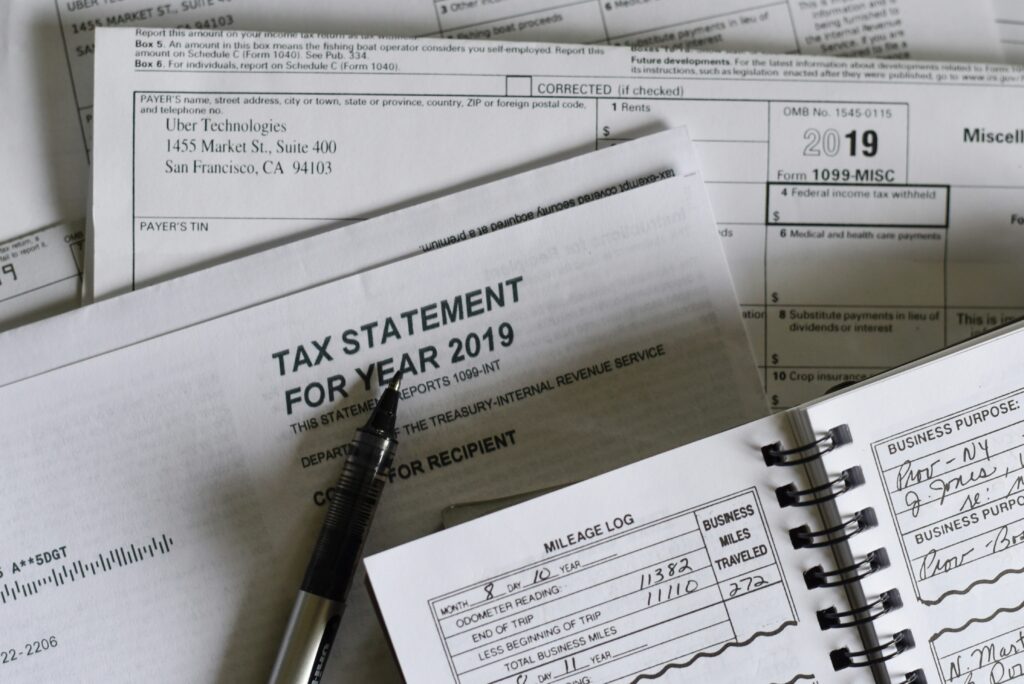

What Tax Efficient Investing Really Means
You work hard for your investment returns so why bleed them out in taxes? Tax efficient investing is about keeping more of those gains in your pocket, without cutting corners. It’s not about hiding money or gaming the system. It’s simply knowing how to use the rules to your advantage.
The goal is straightforward: grow your portfolio while minimizing the tax drag that chips away at your compounding power year after year. You do that by being intentional about where you hold your assets, when you sell them, and how much taxable income you generate along the way. Every percentage point matters, especially when you stretch the timeline.
2026 brings changes to the tax landscape expiration of key provisions from the 2017 tax act, potential new rates depending on where Congress leans, and inflation adjusted thresholds that reset how gains are taxed. The bottom line: being reactive is risky. A smarter, leaner tax strategy isn’t optional it’s a necessity if you want your investments to grow clean and efficient.
Know Your Tax Buckets
Not all investment accounts are taxed the same, and knowing the differences is how you stop the IRS from quietly draining your gains.
Taxable accounts are the most flexible you can buy, sell, and pull cash whenever you want. But there’s a price. Every sale can trigger capital gains, and dividends or interest paid out are usually taxed in the year you receive them. Great for liquidity, not so great for heavy traders or income focused strategies.
Tax deferred accounts, like traditional IRAs or 401(k)s, let your investments grow without paying taxes right away. You’ll owe taxes later, but you control the timing. The idea is to grow your balance now and pay taxes in retirement, ideally when you’re in a lower bracket. These work well for income heavy assets like bonds or REITs.
Tax free accounts think Roth IRAs are the long game. You pay taxes upfront, grow your money tax free, and take withdrawals tax free in retirement. That’s powerful, but only if you follow the rules. Roths are especially useful for assets you expect to appreciate dramatically think early stage ETFs or growth stocks.
Now here’s where it comes together: match asset type to account type. Put high yield or frequently traded assets in tax deferred accounts. Use Roths for high growth plays. Reserve taxable accounts for tax efficient investments, like index funds or municipal bonds. That’s how you keep your portfolio working hard without handing a cut to the IRS every step of the way.
Capital Gains: Timing Is Everything
Capital gains are one of the clearest ways the tax code rewards long term thinking. Profits from selling assets you’ve held for over a year get long term treatment typically taxed at lower rates than short term gains, which are hit with ordinary income tax rates. That difference can cost you thousands if you’re not paying attention.
This makes timing your sales a silent power move. If you’re on the cusp of the one year mark, waiting could pay off. On top of that, smart investors know when to turn losses into gold. Strategic tax loss harvesting intentionally selling underperforming investments can offset capital gains and even reduce taxable income up to $3,000 per year. When markets dip or a position just doesn’t pan out, realizing that loss at the right time becomes a tactical advantage.
Then there’s rebalancing essential for managing your risk. The catch: it can trigger capital gains if done recklessly in taxable accounts. The fix? Use incoming cash, dividends, or losses from other positions to shift your allocation without creating a tax bill. Or rebalance inside tax deferred accounts, where taxes don’t apply until you withdraw.
Bottom line: patience earns you better rates, losses have surprising value, and careful movement inside your portfolio can make your tax liability feel almost optional if you’re deliberate.
Dividends, Interest & Income: Optimize the Flow
Not all investment income is created equal in the eyes of the IRS. Interest from bonds, CDs, and savings accounts? Taxed as ordinary income same as your paycheck. High yield but high cost. On the flipside, qualified dividends (like from many blue chip stocks) get taxed at the lower long term capital gains rate, assuming you meet the holding period rules. That means a dollar earned through smart dividend growth investing can leave you with more in your pocket after taxes than the same dollar from a bond.
This is where strategy matters. Investors looking for income have two main choices: go after yield or go after growth. High yield stocks and bonds give you cash now but often at a higher tax cost. Dividend growth stocks may pay less today, but often qualify for better treatment and have a higher chance of delivering rising income over time. Both paths can work. Just know the tax baggage you’re taking with you.
Then there’s bond interest. Unless you’re in tax exempt munis, most bond income should be stashed in tax deferred accounts like traditional IRAs or 401(k)s. That way, you delay the tax hit until retirement, when your income (and tax bracket) may be lower. Put simply: shelter the stuff that gets hit hardest.
Tax efficiency isn’t about making wild guesses. It’s about putting the right assets in the right buckets, and keeping more of what you earn.
Real Estate & Other Assets

Property can be a powerhouse in a tax efficient portfolio if you know how to use the rules, not fight them. Real estate offers advantages that paper assets can’t match. Depreciation lets you reduce taxable income each year, even while your property gains value. It’s a paperwork heavy deduction, sure, but one of the few that works in your favor while you grow.
Then there’s the 1031 exchange. Done correctly, it lets you roll profits from one property into another without paying capital gains tax at least for now. It’s a deferral, not a free ride, but it can keep your investment gains compounding tax free over decades.
Still, this isn’t a playground for the casual investor. Miss a paperwork deadline on a 1031 exchange and you’re on the hook for a hefty IRS bill. Same with depreciation recapture when you sell, the IRS may want some of those “tax savings” back. Many investors also overlook the tax implications of upkeep costs, short term rentals, or co ownership structures.
The bottom line: real estate can give you leverage, income, and tax breaks but only if you stay sharp. Investing in property isn’t just about location. It’s also about knowing the tax code better than your tenant knows your Wi Fi password.
Powerful Tools That Still Work in 2026
Some tried and true tactics are still pulling their weight in 2026. Smart investors aren’t reinventing the wheel they’re just using the right tools, the right way.
First up, ETFs over mutual funds. Why? Lower capital gain distributions. Mutual funds pass capital gains to investors even if you didn’t sell anything. ETFs, thanks to their in kind redemption structure, usually sidestep that, giving you more control over when and how much you pay in taxes. If you’re building a long term portfolio and don’t want surprise tax bills, ETFs look better every year.
Next, Roth conversions. They’re not one size fits all. Converting a traditional IRA to a Roth means paying taxes now in exchange for tax free growth later. Makes sense if you’re in a low tax year or expect higher rates in retirement. But if you’re staring at a steep tax bracket today, it could backfire. Bottom line: run the math before pulling the trigger.
Lastly, donor advised funds (DAFs). These are for folks who want to give meaningfully without the year end scramble. You contribute to a DAF, take the tax deduction upfront, and distribute gifts over time. In high income years, this can reduce tax burden while funding causes you care about. Think of it as planned generosity that works for both heart and wallet.
Use these tools tactically. They’re not trendy they’re efficient.
Small Details, Big Results
The fine print of tax efficient investing isn’t flashy, but it’s where a lot of gains quietly stack up.
Start with dividends. If you’re automatically reinvesting dividends, don’t do it blindly. In taxable accounts, reinvesting can trigger taxes you might not even notice until April. Instead, weigh whether it’s better to take the cash and invest it elsewhere maybe toward a position that needs rebalancing or something with more favorable tax timing.
Next up: loss harvesting. It’s a smart tactic, but one easily tripped up by wash sale rules. Sell a position at a loss, then buy it back (or something substantially identical) within 30 days congratulations, your tax deduction just vaporized. Workarounds exist: swap into similar but not identical assets or wait out the window. Either way, know the rules before you try to play them.
And don’t sleep on year end planning. Last minute tweaks can make a big dent in your tax bill. Capital loss harvesting, charitable contributions, or Roth conversions all of it adds up. But only if you act before the clock runs out.
In short: pay attention to the small stuff. It compounds in your favor if you do it right.
Pro Savings Moves in 2026
How you place your funds matters a lot. Putting tax inefficient investments (like bonds or actively managed funds) in tax deferred accounts can cut down on unnecessary tax hits. Meanwhile, tax efficient options like index ETFs may be better off in taxable accounts where you can take advantage of capital gains treatment and tax loss harvesting.
This isn’t guesswork. It’s about structure. If a fund kicks off regular income or short term capital gains, it likely doesn’t belong in your brokerage account. Move it where it won’t cost you every April.
Want to see how the pros do it? These investment savings tips break it all down plain, tested, practical.
One more thing: don’t set and forget. Your portfolio should evolve as the laws do. Tax policy changes, and what worked last year may not fit this one. Take the time to reassess annually. Don’t let inaction become a hidden expense.
Final Word: Win By Planning, Not Guessing
In the long run, taxes can quietly eat more of your gains than a bad year in the market. It’s not dramatic. It just adds up. If you’re shooting for real growth, tax efficiency isn’t optional it’s the difference between coasting and compounding. A portfolio that’s built with the tax code in mind stays leaner, more agile, and harder to knock off course.
This isn’t about gaming the system. It’s about choosing wisely, placing assets with intent, and understanding where your dollars go before the IRS takes its share. Smart investing is both defense and offense, and taxes live at that intersection.
Bottom line: don’t chase fads or guess your way through the year. Put a strategy in place that expects tax drag and outsmarts it. Plan with purpose, execute with discipline, and you’ll keep more of what you build.