
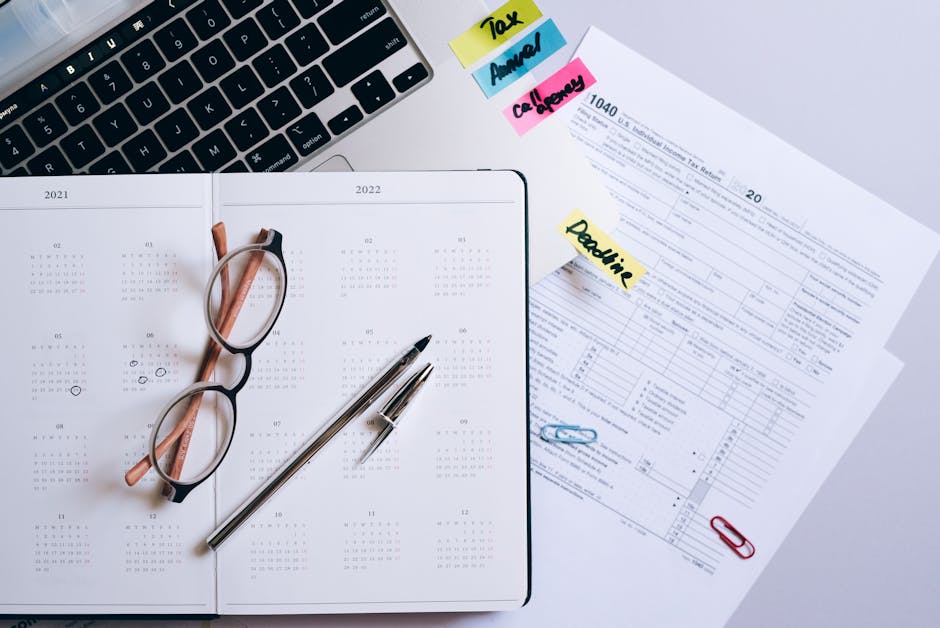
Double Check What You Owe
Before you smash the submit button, slow down and double check your numbers. It’s easy to overlook a freelance payment, miss a 1099 INT from your bank, or forget about a deduction you meant to take. But these small mistakes trigger delays, audits, and penalties none of which you need right now.
Watch for common errors: mismatched income reports, math that doesn’t add up, or missed credits like the Earned Income Tax Credit or the Child Tax Credit. These aren’t rare slipups they’re what jam up filings every single year.
Want peace of mind? Use a calculator tool that actually works. The calculate taxes guide walks you through it without the fluff. Know your real tax bill before the IRS tells you you were wrong.
File, Even If You Can’t Pay
Here’s the truth: filing your tax return on time is more important than paying everything you owe up front. Why? Because the IRS hits harder if you’re late filing than if you’re just late paying. The late filing penalty is typically 5% of the unpaid taxes per month capping out at 25%. In contrast, the late payment penalty is only 0.5% per month. That’s a big difference.
So even if your wallet’s tight this year, don’t skip filing day. Submit your return by the deadline. Then, if you can’t cover the full amount, set up a payment plan. The IRS offers short term (up to 180 days) and long term installment agreements online. It’s simple: go to IRS.gov, click on ‘Payment Plans,’ answer a few basic questions, and get scheduled. No need to call, no need to panic.
Bottom line show up on time and deal with the money later. The system may not be forgiving, but it is manageable if you stay proactive.
Go Digital, Skip the Mailbox
If you’re down to the wire, don’t even think about paper filing. E filing is faster, more accurate, and cuts down on manual errors that could delay your refund or worse, trigger a notice. Digital submissions also get processed quicker, which means if you’re due money back, you’ll see it sooner.
For those filing late, there are still solid free options. IRS Free File (for those making under $73,000) is still available through approved partners. Taxprep giants like TurboTax, H&R Block, and Cash App Taxes also offer no cost filing tiers if your return is relatively straightforward. Check their eligibility criteria before diving in.
Once you file, save every confirmation email. Receipt of submission, IRS acknowledgment, copies of your tax return everything. Even if it feels redundant, store it in a folder you can find next year. If something stalls or there’s follow up, having digital proof shaves a lot of stress off the process.
Document Everything

If you’re scrambling to file, take a breath and grab your documents. W2s, 1099s, receipts, IRS letters whatever touches your taxes, back it up now. Scan them, drag to folders, upload to the cloud. Doesn’t have to be pretty, just complete.
Spending five minutes sorting files before you fill in forms will save you hours later. When you’re organized, it’s easier to double check entries, report income accurately, and spot missing items. More importantly, if something goes sideways and you need to amend your return, having a paper trail makes it painless.
No receipts? No mercy. The IRS wants proof. Do the boring part now so you don’t pay for it later.
Know Your Deductions and Deadlines
Even if you’re down to the wire, you might still be eligible for a few tax saving moves. Contributions to traditional IRAs and HSAs can typically be made up until the federal filing deadline and still count for the previous tax year. That’s real money off your bill, not just some feel good line item.
But don’t assume every deadline is the same. State and federal filing dates don’t always line up. Some states follow the IRS’s lead, others dance to their own beat. Missing one could cost you so check both.
Need a hand making sure nothing slips through the cracks? This calculate taxes guide walks you through the numbers step by step. It’s worth a look before you hit submit.
Get an Extension (If You Truly Need It)
If tax day is barreling toward you and you’re not even close to ready, filing for an extension is your pressure release valve. Good news: it takes less than 10 minutes.
Head to IRS Free File if your income is $73,000 or less, or submit Form 4868 electronically through any approved tax software. You can also mail it, but at this point, you’re better off staying digital.
But here’s the key: an extension gives you more time to file not more time to pay. Your estimated tax is still due by the filing deadline. If you skip the payment, interest and penalties start adding up fast.
An extension buys you six extra months to gather docs, clean up mistakes, or get help but it won’t stop the clock on what you might owe. If you’re even thinking about needing one, take five minutes and just file the form. It’s better than rushing and getting hit with errors later.
Last Check Before You Hit Submit
This is your final sweep don’t rush it. Make sure every name, Social Security number, and address on your return matches exactly what’s on official documents. One typo or mismatch can trigger delays or even rejection.
Sign where it’s required. If you’re filing jointly, that means both spouses. It sounds simple, but a missing signature is an automatic red flag.
Now double check your direct deposit details. Routing number, account number, account type verify them line by line. A single digit off could mean your refund goes on a trip you didn’t authorize.
Last step: take a breath. You’ve done the hard part. Submit confidently, and keep a digital copy of everything. You’re done for the year until next time.
 Frankie Drakershopp has opinions about expert tax insights. Informed ones, backed by real experience — but opinions nonetheless, and they doesn't try to disguise them as neutral observation. They thinks a lot of what gets written about Expert Tax Insights, Tax Law Updates and Changes, Personal Finance Advice is either too cautious to be useful or too confident to be credible, and they's work tends to sit deliberately in the space between those two failure modes.
Reading Frankie's pieces, you get the sense of someone who has thought about this stuff seriously and arrived at actual conclusions — not just collected a range of perspectives and declined to pick one. That can be uncomfortable when they lands on something you disagree with. It's also why the writing is worth engaging with. Frankie isn't interested in telling people what they want to hear. They is interested in telling them what they actually thinks, with enough reasoning behind it that you can push back if you want to. That kind of intellectual honesty is rarer than it should be.
What Frankie is best at is the moment when a familiar topic reveals something unexpected — when the conventional wisdom turns out to be slightly off, or when a small shift in framing changes everything. They finds those moments consistently, which is why they's work tends to generate real discussion rather than just passive agreement.
Frankie Drakershopp has opinions about expert tax insights. Informed ones, backed by real experience — but opinions nonetheless, and they doesn't try to disguise them as neutral observation. They thinks a lot of what gets written about Expert Tax Insights, Tax Law Updates and Changes, Personal Finance Advice is either too cautious to be useful or too confident to be credible, and they's work tends to sit deliberately in the space between those two failure modes.
Reading Frankie's pieces, you get the sense of someone who has thought about this stuff seriously and arrived at actual conclusions — not just collected a range of perspectives and declined to pick one. That can be uncomfortable when they lands on something you disagree with. It's also why the writing is worth engaging with. Frankie isn't interested in telling people what they want to hear. They is interested in telling them what they actually thinks, with enough reasoning behind it that you can push back if you want to. That kind of intellectual honesty is rarer than it should be.
What Frankie is best at is the moment when a familiar topic reveals something unexpected — when the conventional wisdom turns out to be slightly off, or when a small shift in framing changes everything. They finds those moments consistently, which is why they's work tends to generate real discussion rather than just passive agreement.