
Getting started with investing can feel like taking a leap into the unknown. But you don’t need to be a financial guru—you just need a solid foundation. That’s where the best investment tips for beginners discommercified can make all the difference. For a more thorough breakdown, check out discommercified where the topic is unpacked in practical terms. Below, we’ll walk through actionable strategies and frame them in real-world language—no fluff, no jargon.
Understand Your “Why” and Set Clear Goals
Before putting a single dollar into the market, take a beat and ask yourself two questions: “Why am I investing?” and “What do I want to achieve?”
Maybe you’re saving for a house in five years, or maybe you’re playing the long game for retirement. Your goals determine your timeline, your risk tolerance, and your strategy. For beginners, the goal isn’t mastering complex charts—it’s setting the right course. Investing without goals is like running without a finish line. You’ll tire yourself out and get nowhere fast.
Set specific targets—like accumulating $10,000 in three years, or earning a 6% return annually—so you can measure progress and stay motivated.
Start with What You Know: Index Funds and ETFs
If you’re just starting, there’s no need to overcomplicate things with individual stock picking. It may sound exciting, but it’s often more volatile than useful. Index funds and ETFs (Exchange-Traded Funds) allow you to invest broadly across major companies, offering built-in diversification.
These funds track large indexes like the S&P 500, meaning your returns will follow the overall market. They also come with lower fees and require less oversight—which is perfect if you’re not trying to babysit your portfolio every day.
This approach lets your money grow with the market while avoiding the high-risk pitfalls that come from chasing individual stock trends.
Embrace Dollar-Cost Averaging
One of the best investment tips for beginners discommercified is to stop trying to time the market. It doesn’t work—not consistently, anyway.
Instead, set up a recurring transfer that invests the same amount at regular intervals (say, monthly). This technique, known as dollar-cost averaging, helps you buy more shares when prices dip and fewer when they rise, averaging your cost over time.
It takes the emotion out of the equation. You don’t have to agonize over when the “perfect” time is to invest. Spoiler: there isn’t one.
Don’t Sleep on Emergency Savings
Investing is smart—but not at the expense of liquidity. You’ve got to have an emergency fund first: 3 to 6 months of living expenses sitting in a high-yield savings account. This cash cushion keeps you from having to sell investments—possibly at a loss—if you need quick access to money.
Think of your emergency fund as your safety net. It lets you take calculated risks with your investments, knowing you’ve got backup if life throws a wrench your way.
Learn the Tax Implications Early
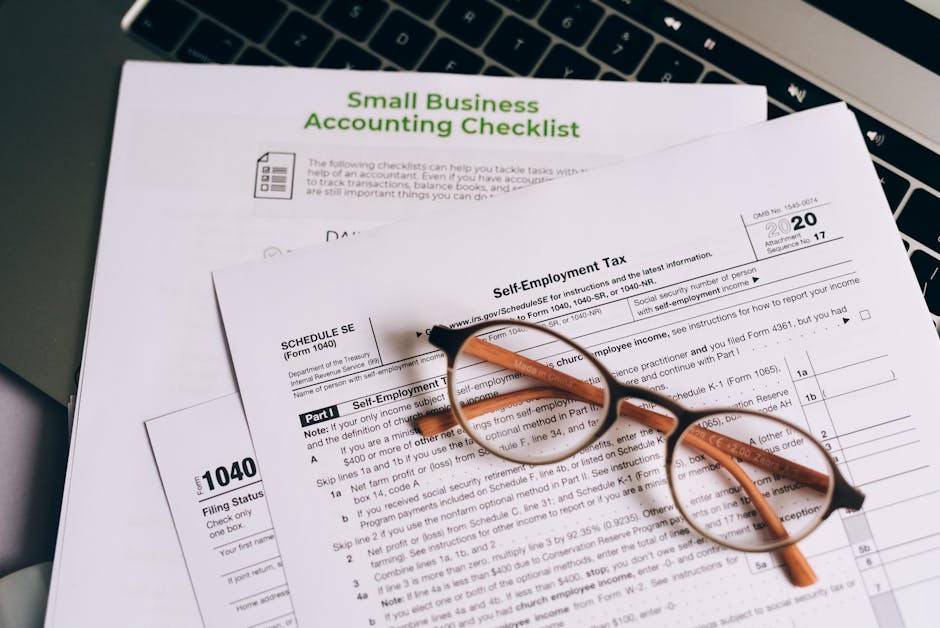
Here’s a reality check: Uncle Sam will want a slice of your gains. Understanding how taxes affect your investments saves you money and stress. When you sell assets for a profit, you trigger capital gains taxes. If you hold investments for over a year, you’ll be taxed at a lower long-term capital gains rate than if you sell within a year.
Use tax-advantaged accounts like IRAs or Roth IRAs to shelter your investments from the taxman. It’s not just about how much you make—it’s about how much you get to keep.
Automate What You Can
Consistency wins in the long run. That’s true for fitness, good habits, and definitely investing. Automation ensures you invest regularly and without interruption.
Using robo-advisors or setting up auto-invests with your brokerage helps maintain long-term discipline. You’re less likely to “forget” to invest or get derailed by emotions if it’s happening automatically behind the scenes.
It also removes the obstacle of inaction. You don’t need to think about it each month—it’s already handled.
Avoid These Common Beginner Mistakes
A list of the best investment tips for beginners discommercified wouldn’t be complete without calling out the landmines:
- Investing money you can’t afford to lock away. Only invest what you won’t need for immediate expenses.
- Ignoring fees. High-fee funds can eat away at your gains. Always examine the expense ratio.
- Following hot tips from social media. What works for someone else (with a totally different financial situation) might wreck your game plan.
- Checking your investments too often. Markets go up and down—that’s normal. Don’t panic and sell at lows.
Be mindful, and don’t let excitement override strategy.
Read, Learn, Repeat
Knowledge isn’t optional—it’s part of the job. Read investment blogs, follow financial news, and take reputable online courses. The more you learn, the more confidence you’ll build.
But don’t fall into the trap of “analysis paralysis.” At some point, you’ve got to act. Start small and learn as you go. Every investor starts with a first move.
Stay In It for the Long Haul
Patience is power in investing. The path to wealth is long for most people—and that’s okay. Short-term swings shouldn’t shake your long-term vision. Compound interest does its best work over years, not months.
Markets have down days, bad years, even ugly decades. But historically, long-term investors who stick to their plan come out ahead.
Keep showing up. Build good habits. Let time do the heavy lifting.
Final Thoughts
If you’re looking to gain traction as a new investor, stick with the basics: clear goals, diversified funds, consistent investing, and plenty of patience. You don’t need to beat the market—you just need to outlast it. These best investment tips for beginners discommercified can serve as your crash course in getting started, building confidence, and staying the course.
Want to dive deeper into strategy? Don’t miss the practical blueprint outlined over at discommercified. No guesswork. Just solid advice—with translations that make sense.