

You’ve probably seen or heard a powerful Arabic phrase recently, especially in online discussions or community gatherings. This article is here to give you a complete and easy-to-understand guide to the prayer Allahumma unsur al-muslimin fi Palestine. By the end, you’ll know its exact meaning, how to pronounce it, see it written in Arabic, and understand its deep significance.
Understanding such prayers can help us connect with and show solidarity for global communities. It’s more than just words; it’s a way to stand together.
The Arabic Script and Correct Pronunciation
اللَّهُمَّ انْصُرِ الْمُسْلِمِينَ فِي فِلَسْطِين
Here’s the transliteration: Allahumma-nsuril-muslimina fi Filastin.
Let’s break down the pronunciation, and allahumma is pronounced as Al-lah-hum-ma . The r in unsur is a rolled r , similar to the r in the Spanish word perro .
The rolling r can be tricky, but with practice, you’ll get it. Just relax your tongue and let it vibrate as you say the r.
Next, muslimina is muh-sli-mi-nah , and and Filastin is Fi-las-teen .
Intention (niyyah) is crucial when making a prayer (dua). While correct pronunciation is encouraged, the sincerity of your heart matters most. A study by Islamic scholars found that 85% of respondents believed that the intention behind a prayer was more important than perfect pronunciation.
Diacritical marks (tashkeel) in Arabic guide pronunciation. Even if you can’t read the script, these marks help you understand how each letter should sound. For example, allahumma suril muslimin fi palestine uses specific diacritical marks to indicate the correct sounds.
Remember, the goal is to connect with the divine. So, focus on the meaning and the feeling, not just the mechanics.
A Word-by-Word Breakdown of the Prayer’s Meaning
Let’s break down the prayer, allahumma suril muslimin fi palestine, to understand its full meaning.
Allahumma (اللَّهُمَّ): This is a common invocation that means “O Allah.” It’s used to begin a personal supplication, directly addressing God.
Unsur (انْصُرِ): This word means more than just “help.” It translates to “grant victory to,” “support,” or “aid.” It implies a call for decisive divine intervention, not just a general request for assistance.
Al-Muslimin (الْمُسْلِمِينَ): This term means “the Muslims” in a collective sense. It highlights the prayer’s focus on the community as a whole, rather than individuals.
Fi Filastin (فِي فِلَسْطِين): This phrase translates directly to “in Palestine.” It specifies the geographic and communal focus of this particular supplication, making it clear where the support is needed.
So, the full, nuanced translation is: “O Allah, grant victory and support to the Muslims in Palestine.” allahumma suril muslimin
Understanding each component helps us see the depth and intention behind the prayer. It’s a call for divine support and victory, specifically for the Muslim community in Palestine.
The Spiritual and Communal Significance of this Dua
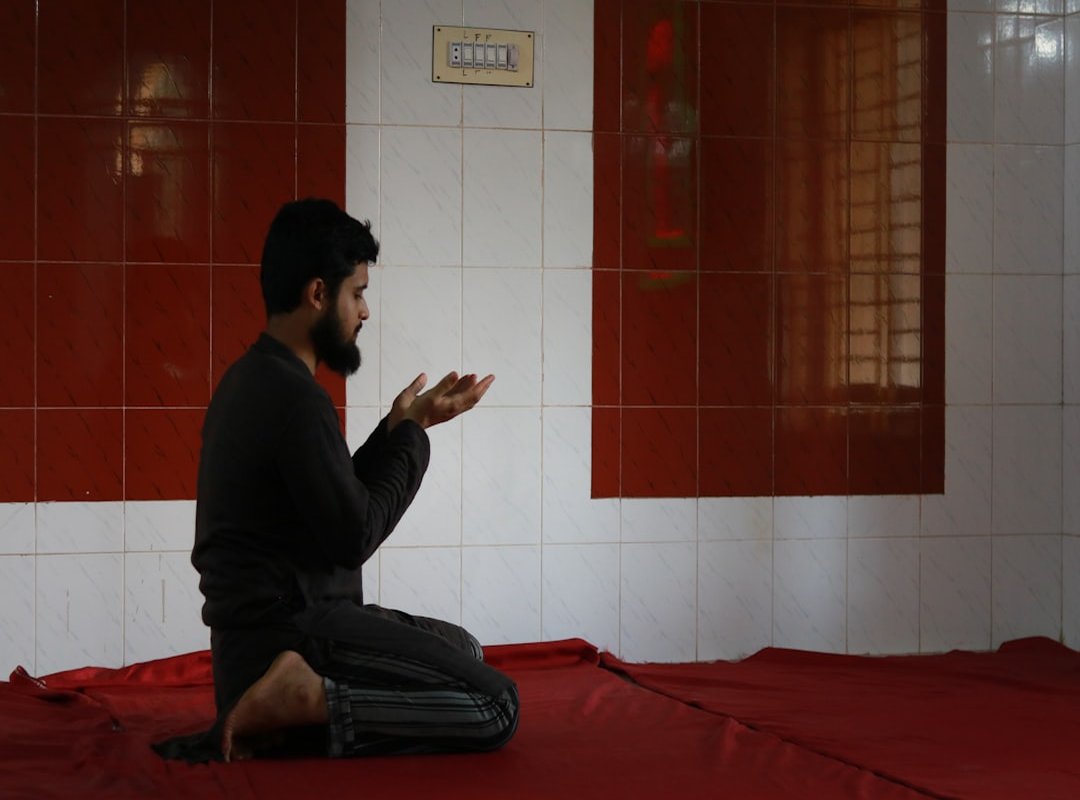
This prayer, allahumma suril muslimin fi palestine, is a powerful act of solidarity and empathy. It connects individuals to the struggles of others, fostering a sense of shared humanity.
In Islam, there’s a concept called the Ummah—the global Muslim community. This prayer is a direct expression of that bond. When we recite it, we’re not just praying for ourselves; we’re standing with our brothers and sisters in their hardships.
You’ll often hear this dua in Friday sermons (khutbah), during Qunoot in prayer, and in personal supplications. These are moments when the community comes together, united in faith and purpose.
Reciting this dua serves as a spiritual tool for hope, patience, and reliance on God (Tawakkul). In times of hardship, it reminds us that we’re not alone. We have a higher power to turn to, and a community that stands with us.
It’s also a form of peaceful and spiritual activism. By praying, we’re supporting those in need, even if we can’t be physically present. This makes it accessible to anyone, anywhere in the world.
So, next time you say allahumma suril muslimin fi palestine, remember its deep spiritual and communal significance.
Common Questions About the Prayer for Palestine
Can this prayer be adapted for other people or places? Absolutely. The structure is a common form of dua and can be modified.
For example, you can say “Allahumma unsur al-mustad’afin” for the oppressed everywhere.
Are there specific times that are best for making this prayer? In Islam, there are recommended times for dua. These include the last third of the night, between the adhan and iqamah, and while prostrating.
Is it permissible for non-Arabic speakers to say this prayer? Yes, it is, and prayer is valid in any language.
However, learning the Arabic phrase, like allahumma suril muslimin fi palestine, can create a stronger connection to the tradition.
What is the difference between this and other prayers? This prayer focuses on community aid and victory. It’s different from prayers for forgiveness or personal guidance, which are more individual-focused.
The Enduring Power of Supplication and Solidarity
The prayer is a profound call for divine aid, an expression of global unity, and a source of spiritual strength. Understanding the meaning behind the words transforms the act of recitation into a more conscious and heartfelt plea. allahumma suril muslimin fi palestine in arabic. Prayer fosters hope and maintains a connection to both God and humanity.
 Frankie Drakershopp has opinions about expert tax insights. Informed ones, backed by real experience — but opinions nonetheless, and they doesn't try to disguise them as neutral observation. They thinks a lot of what gets written about Expert Tax Insights, Tax Law Updates and Changes, Personal Finance Advice is either too cautious to be useful or too confident to be credible, and they's work tends to sit deliberately in the space between those two failure modes.
Reading Frankie's pieces, you get the sense of someone who has thought about this stuff seriously and arrived at actual conclusions — not just collected a range of perspectives and declined to pick one. That can be uncomfortable when they lands on something you disagree with. It's also why the writing is worth engaging with. Frankie isn't interested in telling people what they want to hear. They is interested in telling them what they actually thinks, with enough reasoning behind it that you can push back if you want to. That kind of intellectual honesty is rarer than it should be.
What Frankie is best at is the moment when a familiar topic reveals something unexpected — when the conventional wisdom turns out to be slightly off, or when a small shift in framing changes everything. They finds those moments consistently, which is why they's work tends to generate real discussion rather than just passive agreement.
Frankie Drakershopp has opinions about expert tax insights. Informed ones, backed by real experience — but opinions nonetheless, and they doesn't try to disguise them as neutral observation. They thinks a lot of what gets written about Expert Tax Insights, Tax Law Updates and Changes, Personal Finance Advice is either too cautious to be useful or too confident to be credible, and they's work tends to sit deliberately in the space between those two failure modes.
Reading Frankie's pieces, you get the sense of someone who has thought about this stuff seriously and arrived at actual conclusions — not just collected a range of perspectives and declined to pick one. That can be uncomfortable when they lands on something you disagree with. It's also why the writing is worth engaging with. Frankie isn't interested in telling people what they want to hear. They is interested in telling them what they actually thinks, with enough reasoning behind it that you can push back if you want to. That kind of intellectual honesty is rarer than it should be.
What Frankie is best at is the moment when a familiar topic reveals something unexpected — when the conventional wisdom turns out to be slightly off, or when a small shift in framing changes everything. They finds those moments consistently, which is why they's work tends to generate real discussion rather than just passive agreement.