
You hate budgeting.
I know you do. Because it feels like putting on shoes two sizes too small (tight,) awkward, and doomed to fail by week three.
Why does every budget collapse so fast? Because it’s built on guilt, not goals. On restriction, not freedom.
I’ve helped hundreds of people ditch the spreadsheet shame and build something that lasts.
Not another rigid plan. Not more tracking apps that die after Tuesday.
Aggr8budgeting is different. It starts with what you actually want (not) what some app says you should spend.
No spreadsheets. No daily logins. No panic when coffee costs $2 more than last month.
Just a clear system that bends with your life instead of breaking under it.
You’ll get one system. One set of rules. Zero fluff.
And yes (it) works even if you’ve failed at budgeting ten times before.
Why Your Old Budgeting Methods Were Doomed to Fail
I tried manual budgeting for seven months. Wrote down every coffee, every gas fill-up, every random $3.99 app purchase. Gave up on day 21.
Willpower fatigue is real. It’s not weakness. It’s biology.
Your brain burns fuel tracking tiny decisions all day. By dinner time, you’re too tired to care whether that avocado was $2.49 or $2.79.
And then one thing goes sideways. Car repair. Medical bill.
Surprise fee. Suddenly you think I blew it. And ditch the whole spreadsheet.
That’s the all-or-nothing mindset. It treats money like a pass/fail test. Spoiler: life doesn’t grade on a curve.
Traditional budgeting assumes you’ll behave like a robot. No mood swings. No emergencies.
No bad days. It’s like trying to stick to a strict diet while living in the real world. You last two weeks.
Then order pizza at midnight. Then quit nutrition entirely.
SmartBudgeting isn’t about perfection. It’s about building a system that bends instead of breaking. It expects surprises.
It builds in buffers. It resets fast. No shame, no restart button required.
I switched to Aggr8budgeting after my third failed Excel sheet. Not because it’s fancy. Because it stops punishing you for being human.
Rigid rules fail. Flexible systems survive. Yours should too.
Pro tip: If your budget requires daily logging, it’s already broken. Stop blaming yourself. Blame the method.
You don’t need more discipline.
You need better design.
The 3 Pillars of a Modern Budget
I built my first real budget the hard way (after) overdrawing my account twice in one month. (Yes, really.)
It worked only when I stopped treating money like a math problem and started treating it like behavior.
So here’s what stuck: three pillars. Not rules. Not tips.
Pillars.
Pay yourself first (that’s) non-negotiable. Not “when you can.” Not “after rent.” Before rent. Automate it.
Even $25. Even $5. Just make it happen first, every time your paycheck hits.
You’ll feel weird doing it at first. That’s good. It means your brain is rewiring.
Pillar two: separate your fixed costs from your flexible ones. Rent? Fixed.
Insurance? Fixed. Groceries?
Flexible. Gas? Flexible.
Coffee? Flexible. (Yes, even the $7 oat-milk latte.)
I go into much more detail on this in Which Capital Budgeting Technique Is Best Aggr8budgeting.
Fixed costs are where you’re locked in. Flexible costs are where you actually have power.
Most people stare at their bank app thinking “Where did it all go?”. But they’re looking in the wrong place. Look at the flexible bucket.
That’s your dial.
Pillar three: guilt-free spending funds. Give yourself permission. And a real number (for) fun, food, hobbies, whatever.
No vague “I’ll be careful.” No shame spirals over takeout. Just $120 for eating out. $40 for music. $60 for books. Done.
If it’s budgeted, it’s allowed. If it’s allowed, you stop fighting yourself.
This isn’t about restriction. It’s about clarity. And consistency.
I tried zero-based budgets. Envelope systems. Apps that nagged me.
Nothing lasted. Until I anchored everything to these three things.
Aggr8budgeting works because it respects how people actually live. Not how spreadsheets think they should.
Try it this week. Pick one pillar. Just one.
Automate savings. Label your bills. Set one guilt-free fund.
Then tell me what changed.
Automate Your Finances: The Secret to Consistency
I used to budget like it was a full-time job.
Then I stopped.
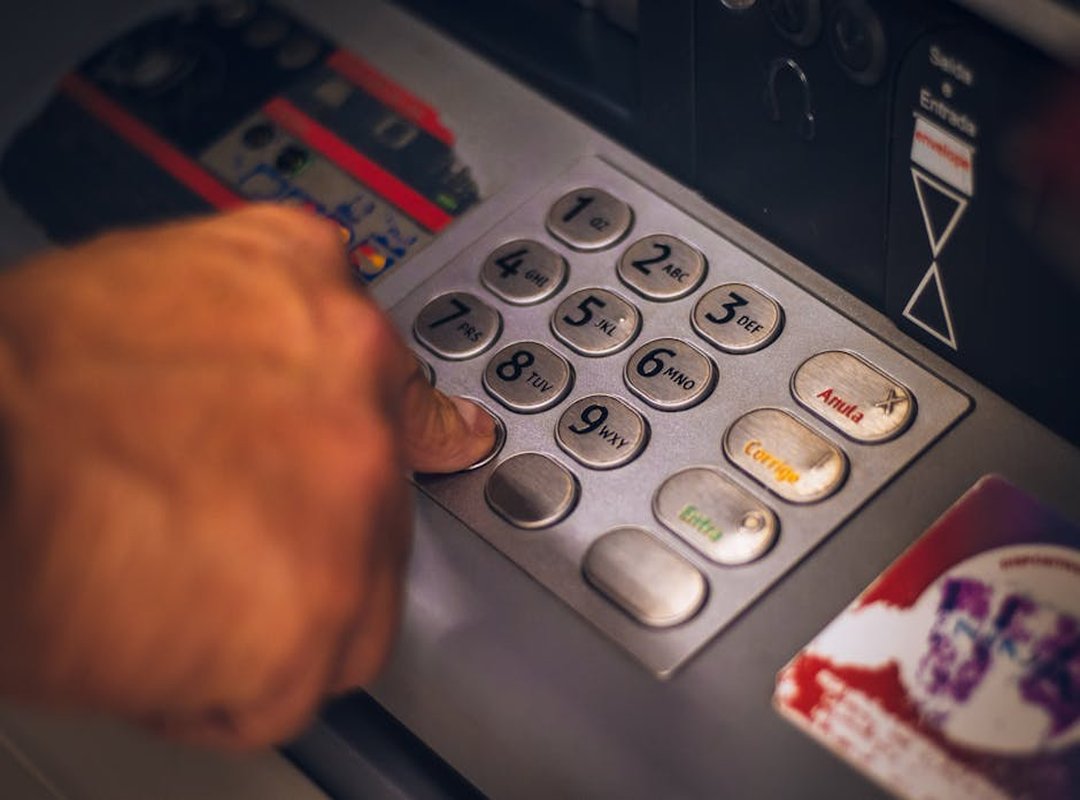
Automation isn’t fancy. It’s just moving money without thinking. And it’s the single most solid tool for smart budgeting.
You ever skip saving because you were tired? Or forget a bill because your brain was full of work drama? Yeah.
That’s decision fatigue. And it kills consistency.
So here’s what I do. And what I tell everyone:
Set up automatic transfers from checking to savings on payday. Not “when I remember.” Not “next week.” On payday. Every time.
Use online bill pay for all fixed costs. Rent. Insurance.
Phone. No more late fees. No more frantic 11 p.m. logins.
Use apps that round up purchases into a savings account. $3.75 coffee becomes $4.00. That extra $0.25 goes to savings. It adds up.
And it doesn’t hurt.
Here’s why this works: by automating the important things, you free up mental energy. You stop arguing with yourself about whether to save this week. You start making better decisions with your flexible spending.
Like groceries or gas.
Aggr8budgeting starts here. Not with spreadsheets. Not with guilt.
With systems.
Which capital budgeting technique is best aggr8budgeting? That’s a different conversation. One that matters more if you’re evaluating long-term investments (not daily cash flow).
But for keeping your personal finances stable? Automation wins every time.
Pro tip: Review your automations once a quarter, not once a week.
Set it and forget it.
I checked mine last month. Turns out I’d accidentally doubled a transfer. Took two minutes to fix.
That’s why quarterly reviews work. Not weekly panic. Not yearly neglect.
Just a quick look. Every three months.
You don’t need willpower.
You need wiring.
Tools Don’t Run Your Budget (You) Do
I’ve watched people switch apps every six weeks. Chasing the “perfect” tool. It’s exhausting.
The tool serves you. Not the other way around.
There is no single best app. None.
YNAB gives you control. Monarch gives you clarity. Mint’s replacement?
Barely works (and good luck finding it now). Spreadsheets? They’re flexible (if) you like typing numbers and building formulas.
Ask yourself: do you want to think about money or just glance and go?
If you crave detail, a spreadsheet wins. If you want hands-off tracking, pick an all-in-one app.
Aggr8budgeting is one option (but) only if it matches how you actually behave with money.
Not how you wish you behaved.
Pro tip: Try one tool for 30 days. No switching. See what sticks.
Then stick with it.
You’re Done Fighting Your Budget
I’ve been there. Staring at the same numbers every week. Watching plans fail before Friday.
That’s not discipline. That’s a broken system.
Aggr8budgeting fixes it. Not with more rules, but with three real pillars: Pay Yourself First, Fixed/Flexible spending, and Guilt-Free Funds. All run by automation.
No spreadsheets. No guilt. No pretending your life fits someone else’s template.
You don’t need to overhaul everything today.
Your first step is to log into your bank account right now and set up one recurring transfer to your savings account. That’s it. Start there.
Most people wait for “the right time.” There is no right time. Just this moment.
This isn’t about restriction. It’s about building a financial system that serves your life. Not a life that serves your budget.
Go do it.
 Frankie Drakershopp has opinions about expert tax insights. Informed ones, backed by real experience — but opinions nonetheless, and they doesn't try to disguise them as neutral observation. They thinks a lot of what gets written about Expert Tax Insights, Tax Law Updates and Changes, Personal Finance Advice is either too cautious to be useful or too confident to be credible, and they's work tends to sit deliberately in the space between those two failure modes.
Reading Frankie's pieces, you get the sense of someone who has thought about this stuff seriously and arrived at actual conclusions — not just collected a range of perspectives and declined to pick one. That can be uncomfortable when they lands on something you disagree with. It's also why the writing is worth engaging with. Frankie isn't interested in telling people what they want to hear. They is interested in telling them what they actually thinks, with enough reasoning behind it that you can push back if you want to. That kind of intellectual honesty is rarer than it should be.
What Frankie is best at is the moment when a familiar topic reveals something unexpected — when the conventional wisdom turns out to be slightly off, or when a small shift in framing changes everything. They finds those moments consistently, which is why they's work tends to generate real discussion rather than just passive agreement.
Frankie Drakershopp has opinions about expert tax insights. Informed ones, backed by real experience — but opinions nonetheless, and they doesn't try to disguise them as neutral observation. They thinks a lot of what gets written about Expert Tax Insights, Tax Law Updates and Changes, Personal Finance Advice is either too cautious to be useful or too confident to be credible, and they's work tends to sit deliberately in the space between those two failure modes.
Reading Frankie's pieces, you get the sense of someone who has thought about this stuff seriously and arrived at actual conclusions — not just collected a range of perspectives and declined to pick one. That can be uncomfortable when they lands on something you disagree with. It's also why the writing is worth engaging with. Frankie isn't interested in telling people what they want to hear. They is interested in telling them what they actually thinks, with enough reasoning behind it that you can push back if you want to. That kind of intellectual honesty is rarer than it should be.
What Frankie is best at is the moment when a familiar topic reveals something unexpected — when the conventional wisdom turns out to be slightly off, or when a small shift in framing changes everything. They finds those moments consistently, which is why they's work tends to generate real discussion rather than just passive agreement.