
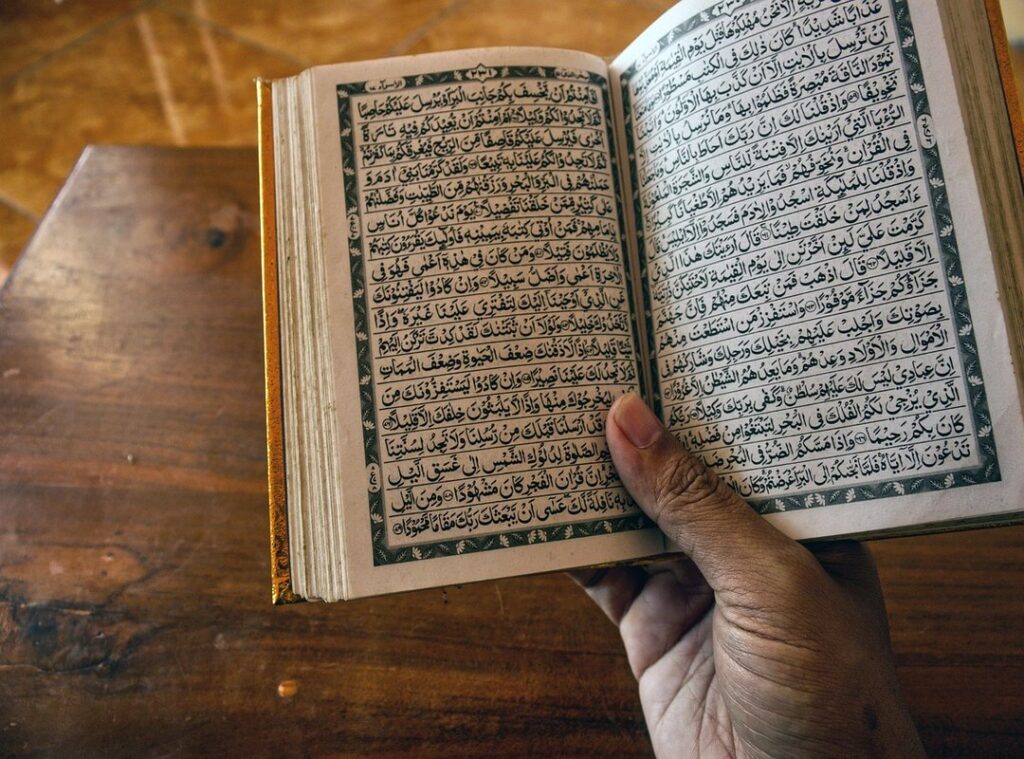
The Quran’s message is universal, filled with wisdom that resonates across cultures and languages. If you’re a Tamil speaker, you might feel a deep connection to the original Arabic text but also want to understand its meaning in your own language. This article is here to help.
We’ve curated a collection of powerful Quranic verses, presented side by side in both Arabic script and Tamil translation. This resource will help you deepen your spiritual connection, bridging the gap between the sacred language of revelation and the language of your heart.
Why Both Languages Enhance Understanding
Reading or hearing the Quran in its original Arabic form is a deeply spiritual experience. It’s the language of divine revelation, and there’s something profoundly moving about it.
The phonetic beauty of the Quran is often talked about. Reciting it in Arabic brings blessings and a sense of peace. Al-Baqarah 2:185 says, “يَا أَيُّهَا الَّذِينَ آمَنُوا كُتِبَ عَلَيْكُمُ الصِّيَامُ كَمَا كُتِبَ عَلَى الَّذِينَ مِن قَبْلِكُمْ لَعَلَّكُمْ تَتَّقُونَ” (O you who believe, fasting is prescribed for you as it was prescribed for those before you, that you may become righteous).
However, not everyone understands Arabic, and that’s where a Tamil translation comes in. It makes the divine guidance accessible and understandable, helping Tamil-speaking Muslims apply it to their daily lives.
Imagine appreciating a beautiful poem’s rhythm while also having a clear explanation of its message. That’s what reading the Quran in both languages is like. You get the profound sound and the practical meaning.
This dual-language approach is a powerful tool for learning and reflection. It connects the heart and the mind, making the experience richer and more complete.
In the future, I predict we’ll see more digital tools and apps that seamlessly integrate both the Arabic text and Tamil translations. This will make it even easier for Tamil-speaking Muslims to engage with the Quran on a deeper level.
Verses on Patience and Trust in God (Sabr and Tawakkul)
Patience, or sabr, is a cornerstone of faith. It’s like the steady hand that holds the ship’s wheel through stormy seas. The Quran often highlights this virtue, guiding believers to remain steadfast during trials.
اللَّهُ مَعَ الصَّابِرِينَ
Inna Allaha ma’as-sabirin
ஆல்லாஹ் சபீரின் கோட்டுடன் இருக்கிறார்
This verse from Surah Al-Baqarah (2:153) reminds us that God is with those who are patient. Imagine having a friend who stands by you no matter what. That’s the kind of support this verse promises.
وَإِنَّ مَعَ الْعُسْرِ يُسْرًا
Wa innama’a l-usri yusra
ஓ, அதிர்க்கு எளியம் உண்டு
From Surah Ash-Sharh (94:6), this verse tells us that with every difficulty, there is ease. Think of it like a long, steep hill. You might struggle to climb, but at the top, you find a smooth, easy path.
These verses are like a compass, pointing us in the right direction when we feel lost. They remind us to trust in God’s plan, even when the journey seems tough.
Guidance on Forgiveness and Mercy (Rahmah)

The Quran places a strong emphasis on God’s mercy (Rahmah) and the importance of humans showing forgiveness to one another. This isn’t just a nice idea; it’s a fundamental part of our faith.
Verse 1:
– Arabic: وَلْتَصْفَحُوا وَلْتَعْفُوا
– Transliteration: Wal tasfahu wa lta’foo
– Tamil Translation: மறுத்துவிடுங்கள், மன்னித்துவிடுங்கள்
This verse from Surah An-Nur, 24:22, encourages us to pardon and overlook each other’s faults. It’s a powerful reminder that when we forgive others, we open the door for Allah to forgive us.
Forgiveness is not just about letting go of past hurts; it’s about creating a space for healing and growth. When we forgive, we free ourselves from the burden of resentment and anger. This can lead to stronger, more peaceful relationships. Aggr8Taxes
Verse 2:
– Arabic: الَّذِينَ يَبِيتُونَ مِن بَعْدِ صَلَاةِ اللَّيْلِ سُجْدًا وَقِيَامًا لِّلَّهِ
– Transliteration: Allatheena yabeetu min ba’di salati al-layli sujdan wa qiyaaman lillah
– Tamil Translation: இரவு பிரार்த்தனை செய்த பிறகு அல்லாஹவின் வாழ்த்தும், நம்பிக்கையுடன் உள்ளவர்கள்
This verse from Surah Al-Imran, 3:113, speaks about those who pray at night and seek Allah’s forgiveness. It reminds us that seeking forgiveness is a continuous process, one that requires humility and a sincere heart.
Practicing forgiveness in our daily lives can be as simple as making a conscious effort to let go of small grudges. Start with something minor, like forgiving a friend for a small misunderstanding. Over time, this practice can become a habit, leading to a more peaceful and contented life.
In conclusion, the Quran teaches us that forgiveness is not just a virtue but a practical tool for personal and communal well-being. By embodying these teachings, we can create a more compassionate and harmonious world.
Inspiration for Gratitude and Hope (Shukr)
Gratitude, or Shukr, is a fundamental aspect of worship. It’s about recognizing God’s favors and maintaining hope, even in tough times.
The Quran consistently encourages believers to be thankful. It’s a way to receive more blessings. But let’s be honest, it’s not always easy to feel grateful, especially when life gets rough.
If you are grateful, I will surely increase you [in favor].
Arabic: إِن تَشْكُرُوا لَأَزِيدَنَّكُمْ
Transliteration: In tashkuru la azīdannakum
Tamil Translation: நீங்கள் நன்றி தெரிவித்தால், நான் உங்களுக்கு விரிவாக்கம் செய்யும்*
This verse from Surah Ibrahim (14:7) is a powerful reminder. When we express gratitude, we open the door to more blessings. It’s like saying, “Thank you” paves the way for more good to come our way.
Another uplifting quote is, And [remember] when your Lord proclaimed, ‘If you are grateful, I will surely increase you [in favor]’.
Arabic: وَإِذْ قَالَ رَبُّكُمُ ادْعُونِي أَسْتَجِيبْ لَكُمْ ۖ إِنَّ الَّذِينَ يَسْتَكْبِرُونَ عَنْ عِبَادَتِي سَيَدْخُلُونَ جَهَنَّمَ دَاخِرِينَ
Transliteration: Wa idh qāla rabbukumu ud’ūnī astajib lakum innalladhīna yastakbirūna ‘an ‘ibādati sayadkhulūna jahannama dākhirīna
Tamil Translation: உங்கள் அதிபர் அறிவித்தபோது, ‘நீங்கள் நன்றி தெரிவித்தால், நான் உங்களுக்கு விரிவாக்கம் செய்யும்’
This verse reminds us that gratitude is a direct path to receiving more. It’s a simple yet profound concept. Sometimes, it’s hard to see the immediate benefits, but the principle is clear.
Being grateful isn’t just about saying thanks; it’s about acknowledging the good in our lives, no matter how small. It shifts our focus from what we lack to what we have. And that, in itself, is a blessing.
So, let’s try to be more thankful. Even if it feels forced at first, the practice can change our perspective and bring more blessings into our lives.
Carrying These Words in Your Heart
The article has offered a meaningful way to connect with the Quran’s wisdom through both its original Arabic and clear Tamil translations. This practice can strengthen one’s faith and provide daily guidance and comfort.
Choose one quote that resonated with you personally. Reflect on its meaning throughout your day. quran quotes in tamil and arabic can be a source of profound insight and solace.
Share these beautiful verses with family and friends. Spread the message of peace and wisdom.
 Frankie Drakershopp has opinions about expert tax insights. Informed ones, backed by real experience — but opinions nonetheless, and they doesn't try to disguise them as neutral observation. They thinks a lot of what gets written about Expert Tax Insights, Tax Law Updates and Changes, Personal Finance Advice is either too cautious to be useful or too confident to be credible, and they's work tends to sit deliberately in the space between those two failure modes.
Reading Frankie's pieces, you get the sense of someone who has thought about this stuff seriously and arrived at actual conclusions — not just collected a range of perspectives and declined to pick one. That can be uncomfortable when they lands on something you disagree with. It's also why the writing is worth engaging with. Frankie isn't interested in telling people what they want to hear. They is interested in telling them what they actually thinks, with enough reasoning behind it that you can push back if you want to. That kind of intellectual honesty is rarer than it should be.
What Frankie is best at is the moment when a familiar topic reveals something unexpected — when the conventional wisdom turns out to be slightly off, or when a small shift in framing changes everything. They finds those moments consistently, which is why they's work tends to generate real discussion rather than just passive agreement.
Frankie Drakershopp has opinions about expert tax insights. Informed ones, backed by real experience — but opinions nonetheless, and they doesn't try to disguise them as neutral observation. They thinks a lot of what gets written about Expert Tax Insights, Tax Law Updates and Changes, Personal Finance Advice is either too cautious to be useful or too confident to be credible, and they's work tends to sit deliberately in the space between those two failure modes.
Reading Frankie's pieces, you get the sense of someone who has thought about this stuff seriously and arrived at actual conclusions — not just collected a range of perspectives and declined to pick one. That can be uncomfortable when they lands on something you disagree with. It's also why the writing is worth engaging with. Frankie isn't interested in telling people what they want to hear. They is interested in telling them what they actually thinks, with enough reasoning behind it that you can push back if you want to. That kind of intellectual honesty is rarer than it should be.
What Frankie is best at is the moment when a familiar topic reveals something unexpected — when the conventional wisdom turns out to be slightly off, or when a small shift in framing changes everything. They finds those moments consistently, which is why they's work tends to generate real discussion rather than just passive agreement.