
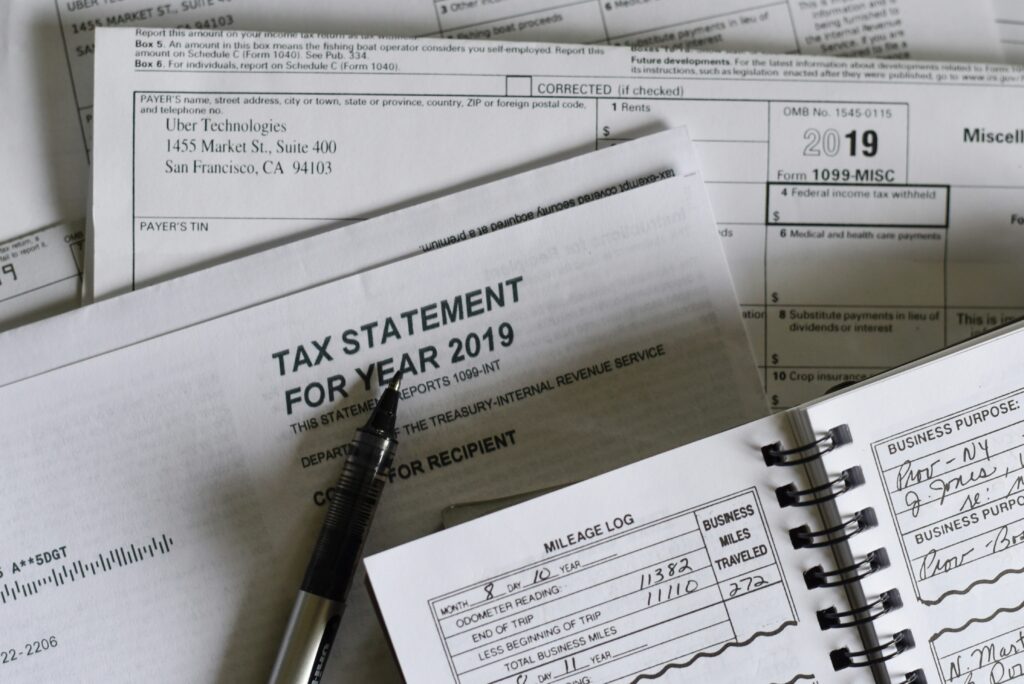
Lock In Capital Gains (and Harvest Losses)
No one likes paying more tax than they have to. Before the year ends, take a hard look at your portfolio. What’s up? What’s down? This is the time to balance the books. Gains from top performing assets can trigger serious tax bills but losses can be used to offset them, dollar for dollar. That’s the essence of tax loss harvesting.
If you’re holding any dogs stocks or funds in the red selling them now could work to your advantage. Just be strategic. Don’t sell something valuable just to get a write off. Focus on positions that no longer fit your goals or that you wouldn’t miss in the new year.
Timing matters. Trades have to clear before December 31 or they don’t count for this year. So don’t wait until the holidays. Give yourself enough runway to make smart decisions, not rushed ones.
Check out these capital management tips if you’re looking to tighten up your tax game before the clock runs out.
Max Out Tax Advantaged Accounts
This is the core move in a solid year end tax plan: max out your 401(k), IRA, and HSA contributions while the clock’s still ticking. These accounts aren’t just retirement tools they’re tax shelters, and every dollar you tuck away now can reduce your taxable income for the year. For 2024, the 401(k) limit is $23,000, and if you’re over 50, you can throw in an extra $7,500 as a catch up. Traditional and Roth IRAs have a $6,500 cap, plus a $1,000 catch up. HSAs? $4,150 for individuals, $8,300 for families, with a $1,000 kicker if you’re 55 or older.
Here’s where people miss the mark: they forget these are use it or lose it opportunities. If you’ve got capacity left, now’s the time to fill the gap. And for those sitting on a Traditional IRA with low income years ahead, a Roth conversion could be a tactical move pay some tax now, dodge bigger taxes later. Just go in eyes open. A conversion isn’t about guessing where the market’s going, it’s about alignment with your long term plan.
Bottom line: don’t let December pass with untapped tax shelters on the table. The IRS won’t remind you you’ve got to make the move.
Revisit Your Estimated Tax Payments
If you’ve had any changes in income throughout the year planned or unexpected now is the time to reassess your estimated tax payments.
Why It Matters
Failing to pay enough throughout the year can trigger underpayment penalties. This is especially critical for those who don’t have taxes automatically withheld from every paycheck, including:
Freelancers and business owners
Investors with substantial unearned income
Taxpayers with multiple income streams
What to Do
Recalculate your quarterly estimated payments based on updated income figures.
Factor in any surprises, such as:
Year end bonuses
Special dividends
Capital gains distributions
Use IRS Form 1040 ES or an online calculator to double check where you stand.
Pro Tip
If your income increased late in the year, you may still avoid penalties by adjusting withholdings on your final paycheck or making a higher final estimated payment by January 15th.
Staying ahead of estimated taxes means no last minute scrambling and no unnecessary penalties.
Charitable Giving With Tax Impact
Year end is a prime time to make charitable contributions not just for goodwill, but for smart tax strategy. With a few thoughtful moves, generous giving can also reduce your taxable income.
Donate Appreciated Assets
Instead of donating cash, consider gifting appreciated stocks or mutual fund shares you’ve held for more than a year. This allows you to:
Avoid paying capital gains tax on the appreciation
Deduct the full market value of the asset
Support the causes you care about while reducing your tax liability
Leverage Donor Advised Funds (DAFs)
A Donor Advised Fund offers flexibility and control over your charitable giving. With a DAF, you can:
Make a lump sum donation this year and recommend grants to charities over time
Take an immediate tax deduction in the year you contribute
Bunch multiple years of giving into one tax year to surpass the standard deduction threshold
This strategy is particularly beneficial for high income years or when you’ve sold significant assets.
Make Qualified Charitable Distributions (QCDs) If Over 70½
If you’re age 70½ or older and have a traditional IRA, a Qualified Charitable Distribution (QCD) can be a powerful tool. It allows you to:
Donate up to $100,000 per year directly from your IRA to a qualified charity
Satisfy all or part of your Required Minimum Distribution (RMD)
Exclude the amount donated from your taxable income
This method is especially helpful for retirees who don’t itemize deductions but want to reduce their taxable income.
Planning your charitable giving with tax efficiency in mind ensures your generosity benefits both your causes and your financial bottom line.
Review Dividend Income Strategy
Dividends might look like easy money, but they come with a tax tag. In high income years, those payouts can push you into a higher tax bracket or trigger additional taxes like the Net Investment Income Tax. Timing matters. If you can shift income or control when dividends hit your account especially with mutual funds or ETFs that payout at year’s end you can potentially dodge a steeper bill.
Also worth a look: tax efficient funds. These are designed to minimize taxable events, often by limiting turnover or managing distributions carefully. Swapping into these before the year wraps up can help smooth out the income hit, especially if you’re on track for a surge in earnings. It’s not about ditching dividends it’s about knowing when and how you want to receive them.
Talk strategy with your advisor. Sometimes the smartest move is simply not getting paid for now.
Mind the Alternative Minimum Tax (AMT)

If you’ve exercised Incentive Stock Options (ISOs) this year, stop and double check your AMT exposure before the books close. AMT isn’t just a tax nuisance it can blow up your return if you don’t plan around it. Exercising ISOs creates a spread between the grant price and the market price, and that difference may be counted as income under AMT rules, even if you haven’t sold the shares.
Before you make any late year decisions, run a projection. Ideally, this includes both regular tax and AMT calculations. It’ll give you a clear picture of whether you’re crossing the threshold and what kind of tax bill you’re inviting. If it looks steep, it might make sense to sell some shares before year end to offset it or shift other income around to lessen the hit. Either way, go in with eyes open. No one likes surprises at tax time.
Use the Gift Tax Exclusion Wisely
The annual gift tax exclusion is one of the most overlooked yet powerful tools in tax planning. As 2024 approaches, consider using this allowance to strategically shift wealth without triggering any gift tax liability.
What Is the Annual Exclusion?
Each year, you can gift a certain amount per recipient completely tax free and without eating into your lifetime exclusion. For 2023, the limit is $17,000 per individual (or $34,000 per couple for joint gifts). This exclusion resets every calendar year, which means you have a limited window to take advantage of it by December 31.
Why It Matters for Estate Planning
Gifting early and often can reduce the size of your taxable estate over time. It not only benefits your loved ones directly, but it also provides long term tax efficiency.
Start the clock on large transfers: Gifts made today can pave the way for bigger estate planning strategies later, such as using irrevocable trusts or advanced gifting techniques.
Avoid gift tax complications: Keeping gifts below the exclusion amount ensures simple reporting and no need to file Form 709.
Pro Tips:
Spread the gifts across multiple recipients to maximize the cumulative benefit.
Consider gifting appreciated assets instead of cash to share long term growth potential.
Coordinate with your CPA or estate planner to align this move with your broader strategy.
Don’t wait till the last week of December this is a strategic move that requires some planning.
Evaluate Business Income and Deductions
If you run a business full time or as part of your creator hustle year end timing isn’t just bookkeeping; it’s strategy. Accelerating income (getting paid before the end of the year) might be smart if you expect your tax rate to go up next year. On the flip side, deferring income into January can help shrink your current year tax bill if your revenue surged unexpectedly.
It also pays to look at your expenses before the clock runs out. Buying deductible assets think new cameras, upgraded lighting, editing software can reduce taxable income, as long as you put them into service before December 31. Don’t go on a spending spree just for a deduction but if that gear is already on your list, now might be the time.
For more practical tips on managing business cash flow and deductions wisely, check out More capital management tips here.
Final Run Through
Think of this as your tax pre flight checklist. Start by comparing last year’s return to this year’s numbers line by line. Look for anything that jumps out: a missing deduction, a spike in income, or a vanishing credit. These are more than spreadsheet quirks; they’re signals. Catch them now, while you can still adjust your strategy.
Next, loop in your CPA. Have a straight up conversation about what changed in your life this year job switches, side hustle income, major purchases, starting a family. Even small shifts can create ripple effects in your tax return. This isn’t the time to wing it or hope TurboTax catches everything.
Last: stay organized. Keep your documents, receipts, and notes in one spot. Digital or physical doesn’t matter. What matters is that you can trace your steps when the IRS comes knocking or you need to double check something in March.
Don’t let tax season sneak up. Clean house, think ahead, and finish strong before the calendar flips.
 Sandrah Rollinsetter is the kind of writer who genuinely cannot publish something without checking it twice. Maybe three times. They came to financial planning for taxes through years of hands-on work rather than theory, which means the things they writes about — Financial Planning for Taxes, Tax Tips and Strategies, Personal Finance Advice, among other areas — are things they has actually tested, questioned, and revised opinions on more than once.
That shows in the work. Sandrah's pieces tend to go a level deeper than most. Not in a way that becomes unreadable, but in a way that makes you realize you'd been missing something important. They has a habit of finding the detail that everybody else glosses over and making it the center of the story — which sounds simple, but takes a rare combination of curiosity and patience to pull off consistently. The writing never feels rushed. It feels like someone who sat with the subject long enough to actually understand it.
Outside of specific topics, what Sandrah cares about most is whether the reader walks away with something useful. Not impressed. Not entertained. Useful. That's a harder bar to clear than it sounds, and they clears it more often than not — which is why readers tend to remember Sandrah's articles long after they've forgotten the headline.
Sandrah Rollinsetter is the kind of writer who genuinely cannot publish something without checking it twice. Maybe three times. They came to financial planning for taxes through years of hands-on work rather than theory, which means the things they writes about — Financial Planning for Taxes, Tax Tips and Strategies, Personal Finance Advice, among other areas — are things they has actually tested, questioned, and revised opinions on more than once.
That shows in the work. Sandrah's pieces tend to go a level deeper than most. Not in a way that becomes unreadable, but in a way that makes you realize you'd been missing something important. They has a habit of finding the detail that everybody else glosses over and making it the center of the story — which sounds simple, but takes a rare combination of curiosity and patience to pull off consistently. The writing never feels rushed. It feels like someone who sat with the subject long enough to actually understand it.
Outside of specific topics, what Sandrah cares about most is whether the reader walks away with something useful. Not impressed. Not entertained. Useful. That's a harder bar to clear than it sounds, and they clears it more often than not — which is why readers tend to remember Sandrah's articles long after they've forgotten the headline.